Table of Contents

Artificial intelligence is rapidly moving from research labs into everyday life, and education is becoming one of the first sectors to experience this transformation. Across the United States, schools and universities are experimenting with AI tools to support teaching, assist students, and prepare the next generation for a technology driven economy.
A recent report by The New York Times highlights how school systems across the country are beginning to adopt AI powered tools in classrooms, while major districts are still debating how quickly the technology should be introduced. The article notes that the decision by Mayor Zohran Mamdani’s administration in New York City could shape how the nation’s largest school system approaches artificial intelligence in education, a move that could influence millions of students and educators.
Experts also believe the stakes go beyond classrooms. Eli Dvorkin, editorial and policy director at the Center for an Urban Future, emphasized that the real challenge is no longer just learning to code but understanding how technology works and how to use it creatively in an AI powered world.
These developments point to a larger shift. If artificial intelligence is becoming part of the learning environment today, it will inevitably shape the workforce of tomorrow. Students who are currently experimenting with AI tools will soon enter industries that rely heavily on intelligent software, automation, and data driven decision making.
For businesses, this raises an important question. What should companies be doing today to prepare for an AI driven future?
Struggling to find the right AI talent for your next project?
A New Phase of Digital Education
In recent years, many school systems have begun testing AI-powered learning tools. These systems can help students practice reading, assist with writing assignments, or analyze common mistakes in homework and tests. Some platforms also provide teachers with insights into how students are learning so they can adjust their teaching methods.
According to reports from The New York Times, the conversation about AI in education has even reached city leadership. In New York City, policymakers are debating how artificial intelligence should be integrated into the nation’s largest public school system. The decision will fall under the administration of Mayor Zohran Mamdani, whose approach to AI in education could influence how millions of students interact with the technology in the coming years.
Supporters of AI believe these tools could make education more personalized and accessible. Teachers may be able to identify learning gaps more quickly and provide targeted help to students who need it. AI systems can also assist with repetitive administrative tasks, giving educators more time to focus on teaching.
However, not everyone is convinced that rapid adoption is the right approach. Some parents and educators worry about over reliance on technology, data privacy issues, and the possibility that students may depend too heavily on automated systems. These concerns have led to debates about how quickly AI should be introduced in classrooms.
Regardless of where one stands in the debate, one fact is clear. Artificial intelligence is already influencing the way students learn and interact with technology.
The Future Workforce Is Being Shaped Today
The students who are currently experimenting with AI tools in school will eventually enter the workforce. Many of them will be comfortable working alongside intelligent systems from the very beginning of their careers.
This represents a significant shift in how people approach technology. Previous generations learned to use computers gradually as digital tools became more common in offices and workplaces. The next generation will likely begin their careers with a deeper understanding of how AI works and how it can be applied to real world problems.
For businesses, this means that expectations will change. Employees will look for tools that help them automate repetitive work, analyze large sets of data, and improve productivity through intelligent software.
Companies that are not prepared for this shift may find themselves struggling to keep pace with both their workforce and their competitors.
The Growing Demand for AI Powered Solutions
As awareness of artificial intelligence continues to grow, many organizations are exploring ways to integrate AI into their products and operations.
Retail companies are using AI to recommend products and personalize customer experiences. Financial institutions rely on machine learning models to detect fraud and assess risk. Healthcare providers use AI tools to analyze medical data and support clinical decisions.
Even industries that have traditionally been slower to adopt new technologies are beginning to recognize the value of AI-driven insights and automation.
This widespread interest has created a surge in demand for skilled developers who can design and implement intelligent systems. Building an effective AI solution often requires expertise in machine learning, data engineering, software development, and cloud infrastructure.
Unfortunately, the supply of experienced AI professionals has not kept up with demand. Many organizations struggle to find the technical talent needed to build and maintain advanced AI systems.
Why Companies Are Expanding Their Talent Search
The disruption of AI expertise has encouraged many businesses to look beyond traditional hiring methods. Instead of relying only on local talent pools, companies are exploring global networks of developers who can contribute to AI projects remotely.
This approach offers several advantages. Businesses can access specialized skills that may not be available locally. They can also scale development teams more quickly when launching new products or expanding digital capabilities.
Remote collaboration has become more practical as communication tools and cloud platforms have improved. Development teams can work together from different parts of the world while maintaining consistent workflows and project management processes.
For many companies, this model has become a practical way to accelerate innovation without being limited by geographic constraints.
Ready to explore how AI can transform your business?
The Role of Technology Partners
As organizations navigate the complexities of artificial intelligence, many turn to technology partners that can provide development expertise and strategic guidance.
These partners help businesses evaluate opportunities, design AI solutions, and build the software systems needed to bring those ideas to life. They also support long term maintenance and improvement of AI platforms.
Companies such as WeblineGlobal operate in this space by connecting businesses with experienced AI developers who specialize in modern technologies including artificial intelligence, machine learning, and advanced software development.
Rather than replacing internal teams, this type of partnership often complements existing resources. Businesses can bring in additional expertise when needed and focus their internal teams on strategic priorities.
For organizations that are just beginning to explore AI, working with experienced developers can also reduce the risks associated with implementing new technologies.
Preparing for an AI Driven Economy
The growing presence of artificial intelligence in education offers a glimpse into the future of the workforce. Students who learn to collaborate with intelligent systems today will likely expect similar tools in their professional environments tomorrow.
Businesses that recognize this trend can begin preparing now. Investing in digital infrastructure, exploring AI applications, and developing internal expertise can help organizations stay competitive in a rapidly evolving market.
Preparation does not necessarily mean adopting every new technology immediately. Instead, it involves building a clear understanding of how AI can support business goals and identifying the areas where intelligent automation can create meaningful value.
Companies that take a thoughtful and strategic approach will be better positioned to adapt as AI capabilities continue to expand.
The Importance of Responsible Innovation
While the potential benefits of artificial intelligence are significant, responsible implementation remains essential. Businesses must consider issues such as data privacy, transparency, and the ethical use of technology.
These concerns are similar to the debates taking place in schools today. Educators and policymakers are trying to balance the opportunities presented by AI with the need to protect students and ensure that technology supports meaningful learning.
The same principle applies to businesses. AI should enhance human decision making rather than replace it entirely. When implemented carefully, intelligent systems can amplify human creativity, improve efficiency, and unlock new possibilities for innovation.
Looking Ahead
The integration of artificial intelligence into American schools marks an important milestone in the evolution of technology. It signals that AI is becoming a fundamental part of how people learn, work, and solve problems.
For businesses, this shift offers both challenges and opportunities. Organizations that embrace AI thoughtfully can create smarter products, improve operational efficiency, and build stronger relationships with customers.
At the same time, companies must recognize that technological change requires new skills, new tools, and new ways of thinking about collaboration.
As students continue to experiment with AI in classrooms, the future workforce is quietly taking shape. The companies that prepare today will be ready to work alongside that generation tomorrow.
In many ways, the story of AI in education is not only about schools. It is about the broader transformation of society and the role that technology will play in shaping the next era of innovation.
Businesses that pay attention to these signals today may discover that the classroom is offering an early glimpse of the economy of the future.
Social Hashtags
#ArtificialIntelligence #AI #AIinEducation #EdTech #FutureOfWork #DigitalTransformation #AIforBusiness #AITalent #FutureWorkforce #TechTrends #HireDevelopers #MachineLearning #Innovation #Automation
Ready to turn your AI ideas into real products?


Success Stories That Inspire
See how our team takes complex business challenges and turns them into powerful, scalable digital solutions. From custom software and web applications to automation, integrations, and cloud-ready systems, each project reflects our commitment to innovation, performance, and long-term value.
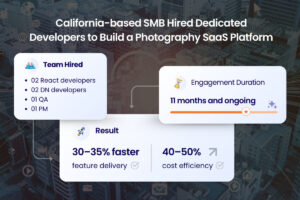
California-based SMB Hired Dedicated Developers to Build a Photography SaaS Platform
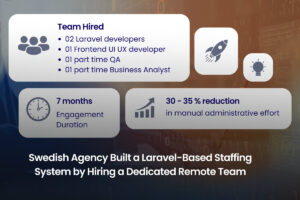
Swedish Agency Built a Laravel-Based Staffing System by Hiring a Dedicated Remote Team